


Putting Beliefs on Trial
Cognitive Restructuring
A structured framework for examining beliefs and statements — weighing evidence on both sides to reach a balanced, rational verdict.
Learn more about Cognitive RestructuringThe Courtroom
The Judge & Jury
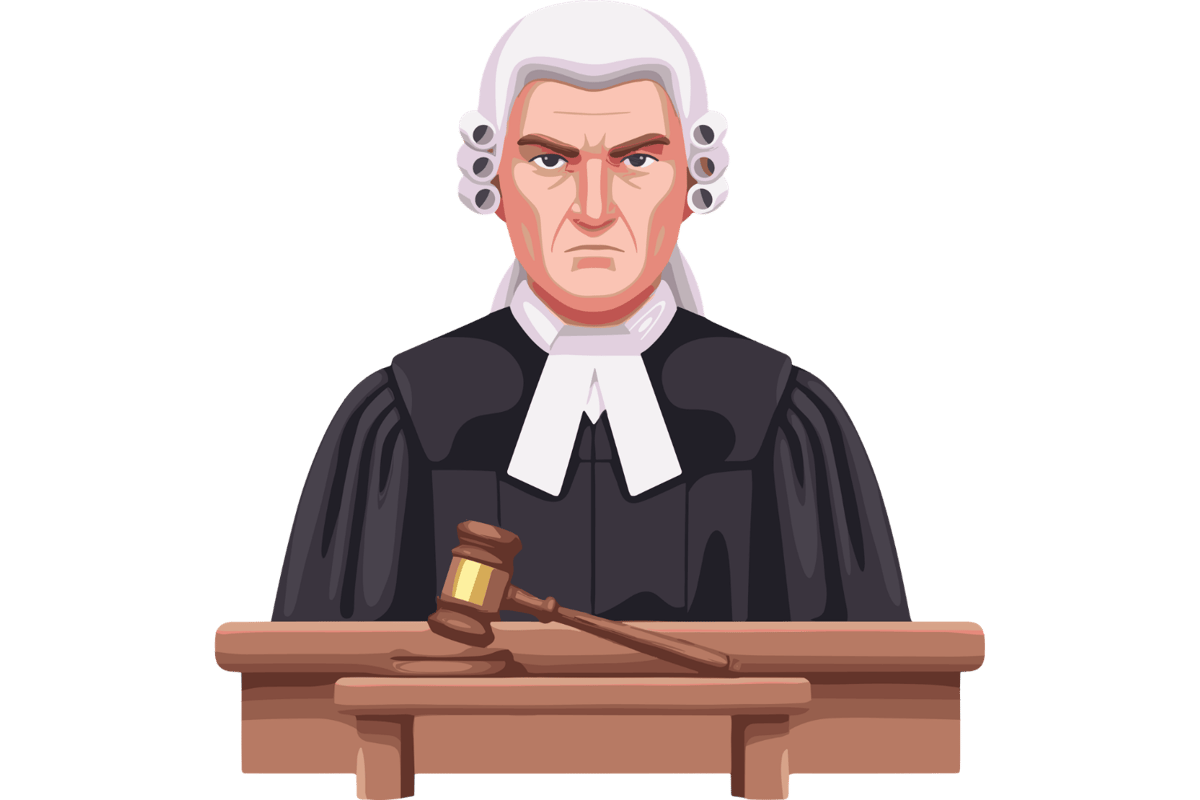
The Judge's Role
The Judge presides over the trial, overseeing the entire process — impartial, rational, and committed to finding the truth.
The Judge's task is to ensure that all evidence — both for and against — is heard fairly before delivering a final, balanced verdict.
The Jury's Role
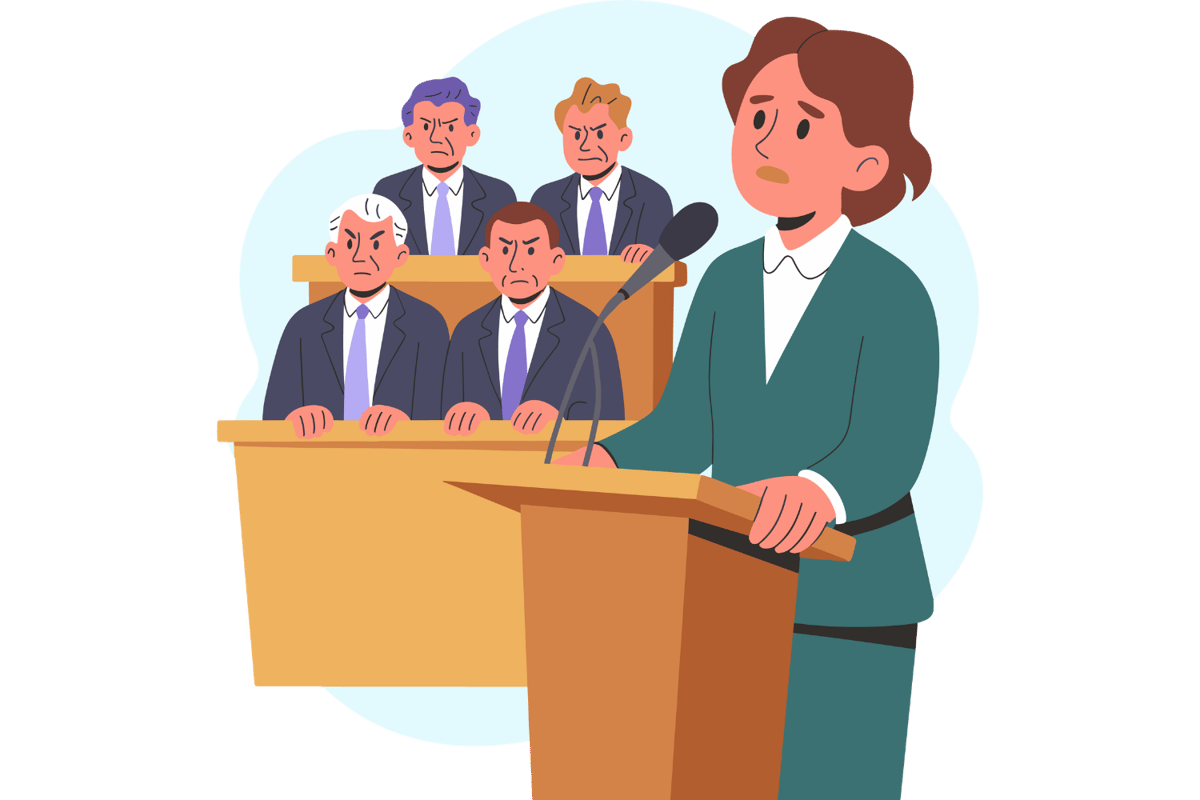
Members of the Jury hear the evidence to determine the facts and deliver a verdict — guilty or not guilty — based on that evidence.
They remain impartial, listen to evidence from both the prosecution and the defence, and follow the judge's legal directions.
The Accused
Key Statement / Belief: What's on Trial?
What statement or belief is on trial? Define it clearly before proceeding. This is the foundation of the entire exercise. We will be placing this statement or belief in the dock.
Type your statement into the box below.
Initial Rating
Understanding your starting point helps reveal how evidence shifts your perspective by the end of the trial.
Before examining any evidence, rate your initial belief that this statement is true on a scale of 0 to 100% and type this into the box below.
In Search of Truth
The courtroom process is designed to move beyond gut feeling and assumption — toward evidence-based thinking.
Both sides of the argument must be examined with equal rigor.
Facts vs. Opinion
Distinguish between hard factual evidence and personal opinion throughout the process.
Witness Perspectives
Consider what others would say — different viewpoints strengthen the quality of the verdict.
Balanced Outcome
The goal is a realistic, rational closing statement — not simply confirming what you already believe.


Examine the Evidence
The evidence is divided into two sides. Both must be examined thoroughly and honestly before any conclusions are drawn.
The Defence
Evidence supporting the statement
The Prosecution
Evidence challenging the statement
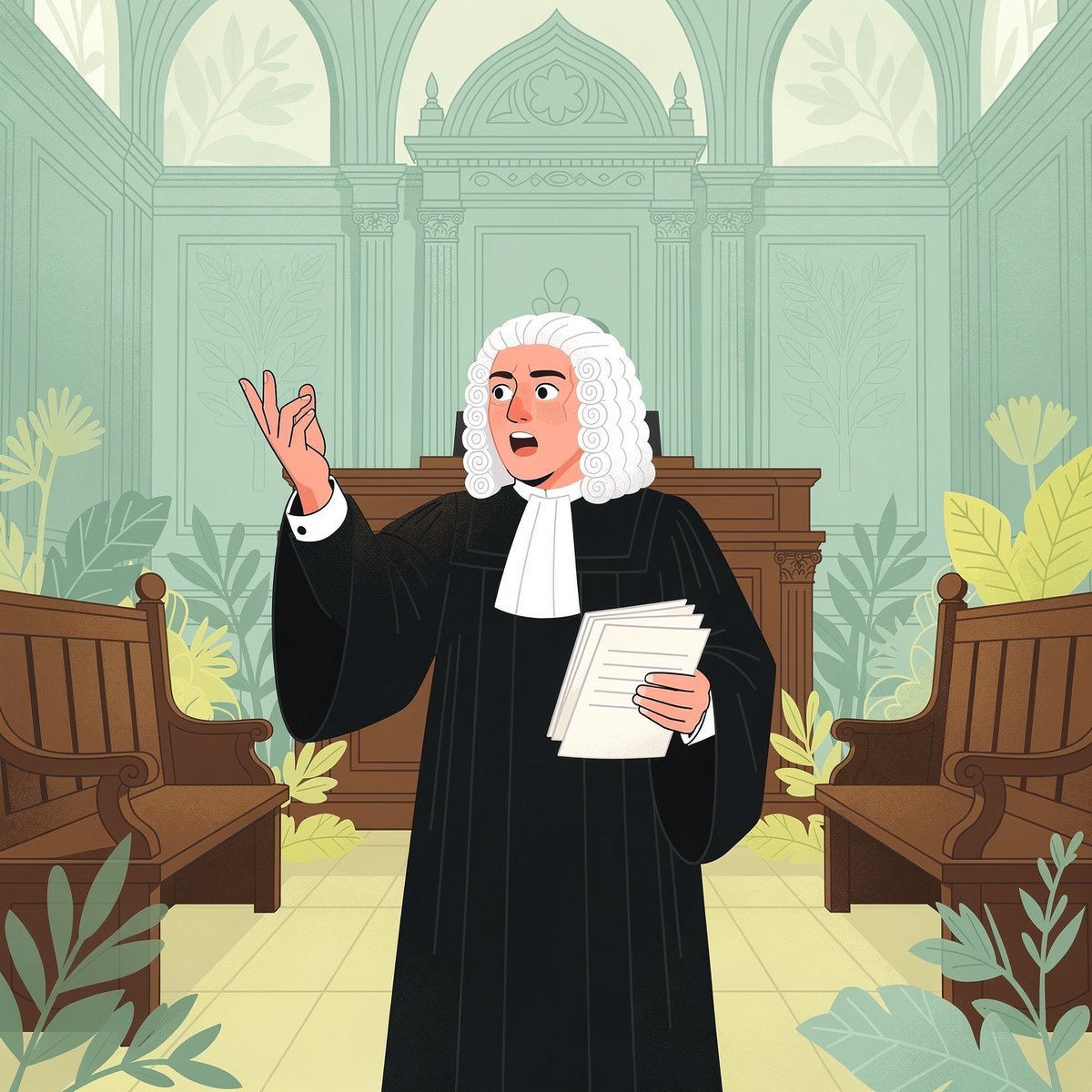
Core Question
What tells you this statement or belief is true? What hard, factual evidence supports it?
List all evidence that argues in favour of the belief — be specific and honest.
Evidence for the Defence
Evidence for the Prosecution
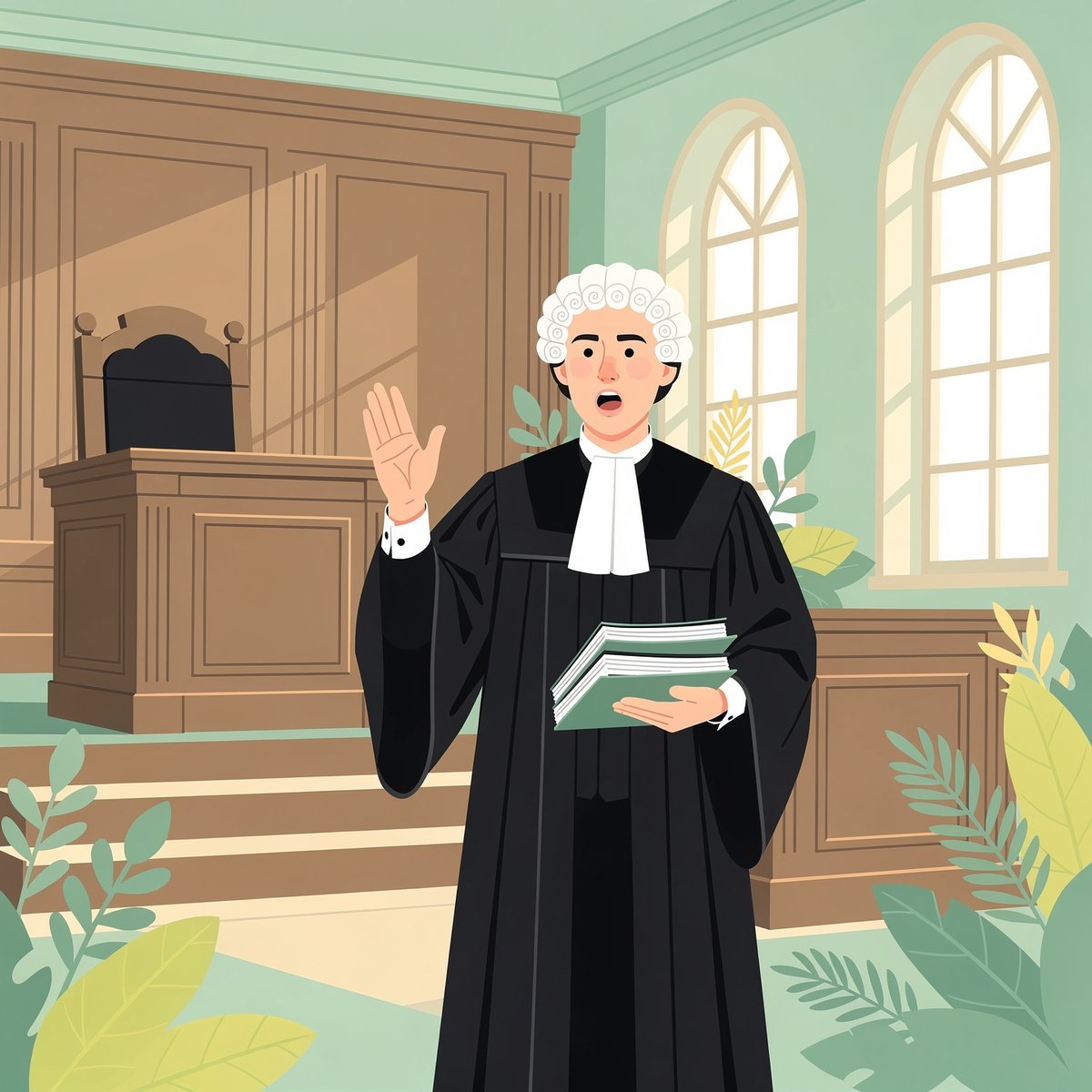
Core Question
What tells you this statement or belief is not totally true, all of the time? What is merely opinion, and what factual evidence is there?
Consider what witnesses — others who know the situation — would say.
The Verdict
The trial is complete. A balanced, evidence-based verdict replaces an unchallenged belief — the foundation of clearer, more rational thinking.
Start
Initial belief rating (0–100%) before examining evidence:
Evidence
Defence and prosecution arguments weighed fairly.
Verdict
Final belief rating (0–100%) after a balanced review: