


Why Breathing Matters
If you learn only one relaxation technique, make it this one.
Diaphragmatic breathing — also called ‘belly breathing’ or ‘deep breathing’ — is the fastest, most accessible way to activate the parasympathetic nervous system, the part of the nervous system responsible for calming the body. With regular practice, it may also improve lung capacity, reduce physical tension, and support overall well-being.
Diaphragmatic breathing is widely used in mindfulness, meditation, and stress-management approaches, and it is an important technique for both physical and psychological well-being. You can do it anywhere, at any time, without anyone knowing.
The main aim is to use the diaphragm effectively during breathing so that the shoulders remain relaxed rather than lifting upward. This encourages deeper, steadier breathing by expanding the lower chest and abdomen instead of relying on shallow breathing in the upper chest.
This style of breathing is more efficient because it allows the lungs to take in more air and improves oxygen delivery throughout the body. It is also closely connected to the body’s natural relaxation response. Deep breathing from the diaphragm stimulates the vagus nerve, which activates the parasympathetic nervous system, and can help slow the heart rate, reduce blood pressure, ease muscle tension, and lower feelings of stress and anxiety.

In contrast, shallow chest breathing is often associated with anxiety and panic. When you're anxious, your breathing pattern changes and speeds up automatically. It becomes centred in the upper chest. This is part of the fight-or-flight response — your body is preparing to either run or fight, and it needs quick access to oxygen.
The problem is that this breathing pattern, when sustained, actually intensifies anxiety. Rapid, shallow breathing can lead to hyperventilation, which reduces carbon dioxide levels in the blood, causing dizziness, tingling, lightheadedness, and a feeling of unreality — all of which are terrifying when you're already anxious, and which many people misinterpret as signs of a heart attack or a mental health crisis.
Diaphragmatic breathing reverses this. By breathing slowly and deeply into the belly, you send a calming signal to the brain. Heart rate slows. Blood pressure drops. Muscles begin to relax. The alarm system dials down.
The Three Stages of Breathing Training
Breathing training is usually taught in three stages:
- Control of rhythm
- Control of rate
- Control of the diaphragm

Stage 1: Rhythm
Begin by practising a steady and regular breathing pattern:
- Breathe in for a count of 4
- Pause for a count of 1
- Breathe out for a count of 4
- Pause for a count of 1
- Repeat the cycle
At this stage, the focus should be on maintaining a smooth and regular rhythm rather than trying to breathe more deeply or quickly.
Some people find it helpful to:
- Tap a pencil or finger while counting
- Breathe in through the nose and out through the mouth
- Use visual imagery instead of counting, such as imagining the steady swing of a pendulum
Stage 2: Rate
Once a regular rhythm feels comfortable, the next step is to slow the breathing rate gradually. This can be done in two main ways:
- Slow down the speed of the counting itself
- Keep the same counting pace but increase the count from 4 to 5
The aim is to encourage slower, calmer breathing without creating strain or discomfort.

Stage 3: Diaphragm Control
The goal at this stage is to breathe using the diaphragm rather than lifting the shoulders and upper chest. The lower chest and abdomen should expand gently during inhalation while the shoulders remain relaxed.
One practical, if slightly inelegant, way to learn this technique is to lie flat on your back with a light object, such as a book, resting on your stomach. The idea is to raise the book using the abdominal muscles and diaphragmatic movement while breathing in, without allowing the shoulders to rise.
Regular Practice
It is important to recognise that learning diaphragmatic breathing can feel difficult at first, although it is entirely achievable with practice. People vary in how quickly they become comfortable with the technique, so patience and persistence are important. Short periods of practice several times each day are often more effective than long sessions.
In the early stages, the exercise may require a great deal of concentration, which can itself distract attention away from anxious thoughts. With continued practice, the breathing pattern often begins to produce a more direct and noticeable relaxation response.

Now Try This
Once you feel comfortable with stages 1-3, try this alternative exercise, which also helps you to control your diaphragm while breathing in a slightly different rhythm.
- Sit or lie in a comfortable position. Place one hand on your chest and one on your stomach.
- Breathe in slowly through your nose for a count of four. Direct the breath into your belly — you should feel the hand on your stomach rise, while the hand on your chest stays relatively still.
- Hold gently for a count of one or two. Don't force this — it should feel like a natural pause, not a strain.
- Breathe out slowly through your mouth for a count of six. The exhale should be longer than the inhale. This is important — the extended exhale is what triggers the parasympathetic response which helps with adrenalin regulation.
- Repeat for five to ten minutes, or until you notice your body beginning to calm.

Tips for Practice
The extended exhale is the most important element. If a 4-in, 6-out pattern feels uncomfortable, try 3-in, 5-out, or find whatever ratio feels manageable as long as the exhale is longer.
Practice when you're already calm — not just during anxiety. This builds the skill so it's available when you need it. Practising only during panic is like trying to learn to swim while drowning.
If you feel dizzy during practice, you're probably breathing too forcefully. Soften the breath. It should feel gentle and controlled, not like you're inflating a balloon.
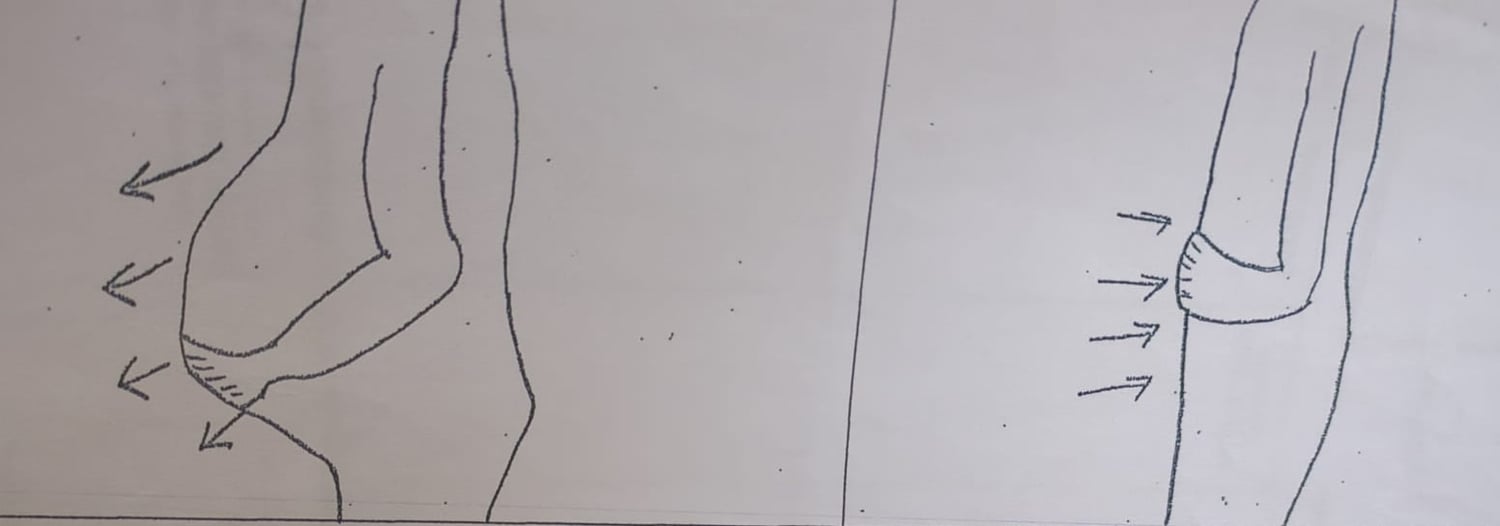
Instructions for Breathing In and Out
Breathing In
Many people develop a habit of breathing mainly into the chest. For this exercise, focus instead on breathing from your diaphragm.
As you breathe in, your stomach should gently expand and move outward. You can place a hand on your abdomen to help you notice this movement. Try to avoid taking quick, shallow breaths. Aim for breathing that is slow, steady, and relaxed.
Spend a few minutes practising each morning, reminding yourself that when you breathe in, your tummy should move out.
Breathing Out and Speaking
As you breathe out, your stomach should gently move inward. Place a hand on your abdomen if it helps you feel and observe this movement. When speaking, begin talking a fraction of a second after you start breathing out.
Practise reading or speaking a few lines each morning to help reinforce the technique and ensure you are using it correctly.
It may feel unfamiliar or awkward at first, but with regular practice it will become more natural and comfortable.
To help build the habit, choose everyday reminders, such as a friend, a watch, or another regular cue. Use these reminders to prompt yourself to practise the technique when you are at work or in social situations.